



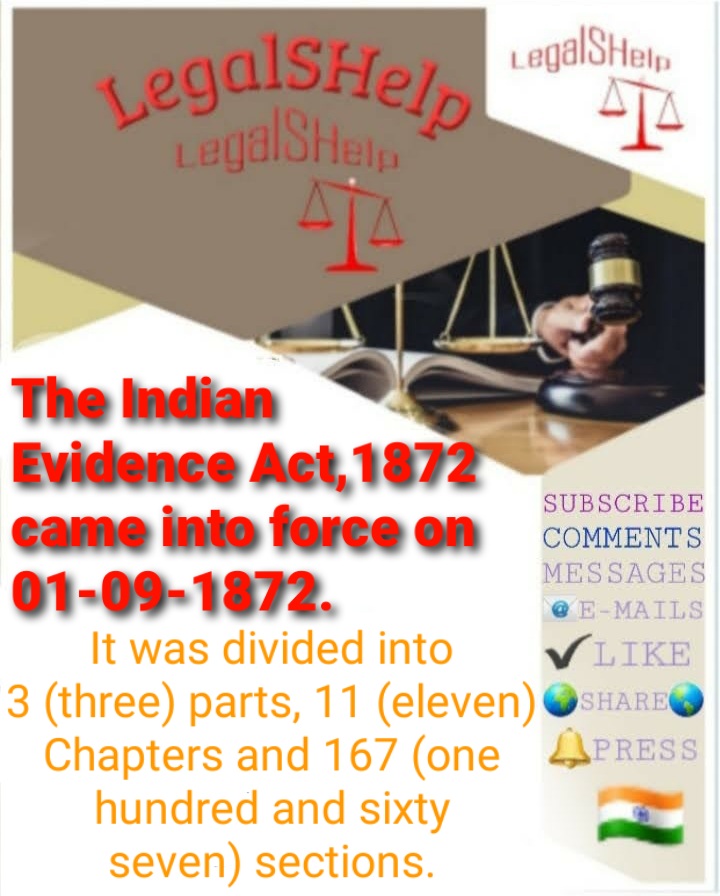
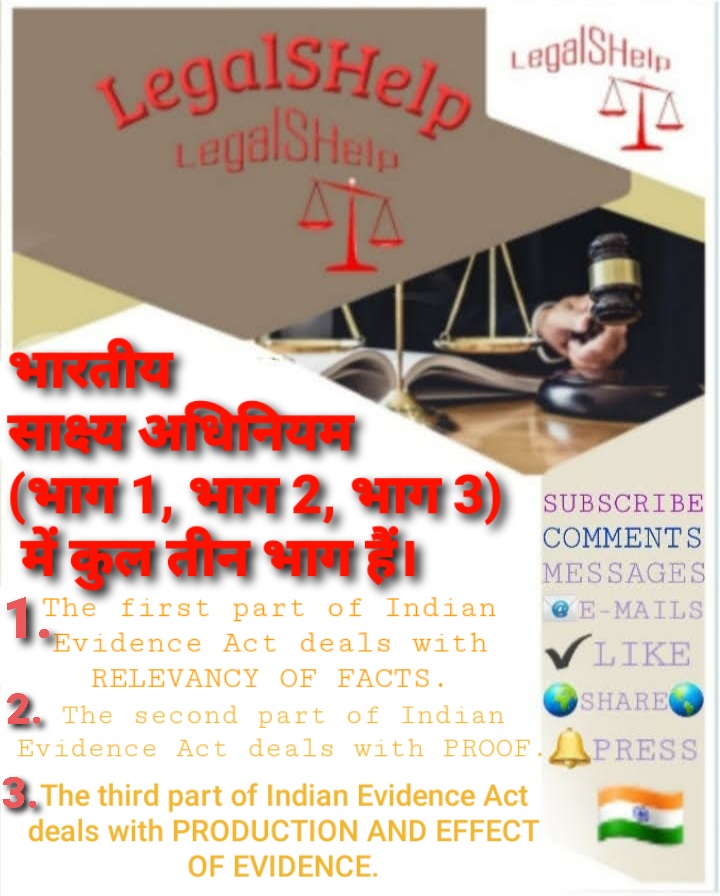
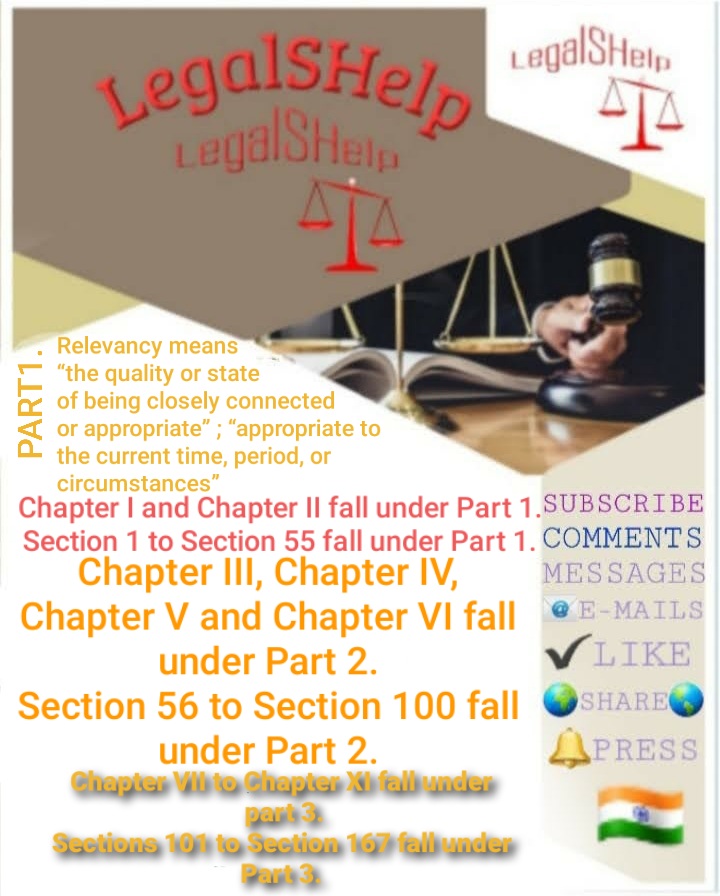
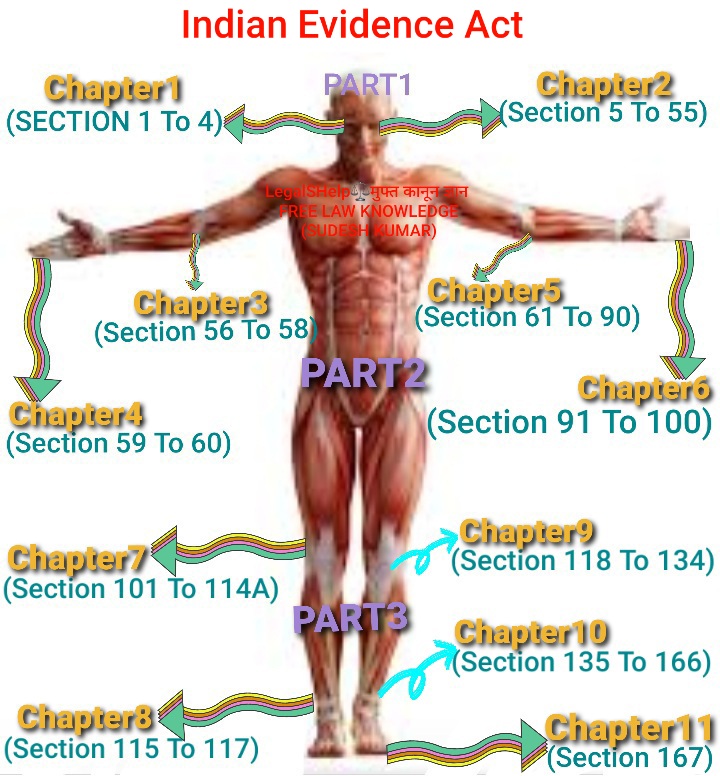
भारतीय साक्ष्य अधिनियम ने समय-समय पर कुछ संशोधनों को छोड़कर मूल रूप से अपने मूल स्वरूप को बनाए रखा है।

The Hindu Succession (Amendment) Act , 2005, an amendment to the Hindu Succession Act, 1956, received the assent from President of India on 5 September 2005 and was given effect from 9 September 2005.

हिंदू उत्तराधिकार (संशोधन) अधिनियम, 2005, हिंदू उत्तराधिकार अधिनियम,1956 में एक संशोधन, 5 सितंबर 2005 को भारत के राष्ट्रपति से स्वीकृति प्राप्त की और 9 सितंबर 2005 से प्रभावी किया गया।

In all cases coming after 2005, all girls will be entitled to inherit in the property. The Supreme Court has given a decision to this effect. It will not matter when those girls are born. Till now there was confusion over the issue of succession of daughters in ancestral property.
2005 के बाद आने वाले सभी मामलों में सभी लड़कियां संपत्ति में उत्तराधिकारी की हकदार होंगी। इस आशय का फैसला सर्वोच्च न्यायालय ने दिया है। इसमें इस बात से फर्क नहीं पड़ेगा कि उन लड़कियों का जन्म कब हुआ है। अभी तक पैतृक संपत्ति में बेटियों के उत्तराधिकार के मसले पर असमंजस की स्थिति थी।


YOUTUBE CHANNEL VIDEO LINK ⤵️
LegalSHelp⚖ ▶️✔(Click) All Videos
LegalSHelp⚖▶️ Videos Link (Click)✔
1. NSA / RaSuKa National Security Act Video Link (Click)▶️✔
2. CYBER CRIME Video Link (Click)▶️✔
3. CYBER LAW/CYBER CRIME Video Link (Click)▶️✔
4. NSA / NATIONAL SECURITY ACT VIDEO LINK (CLICK)▶️✔
5. RTi / Right To Information Act Video Link (Click)▶️✔
6. PREVENTION OF CORRUPTION ACT VIDEO LINK (CLICK)▶️✔
7. Sex on FALSE PROMISES Video Link (Click)▶️✔
8. Phone in Private SC/ST video link (Click)▶️✔
9. WILDLIFE PROTECTION ACT VIDEO LINK (CLICK)▶️✔
10. HUMAN RIGHTS Video link (Click)▶️✔
11. RIGHT To Health Video Link (Click)▶️✔
The false complaint filed by the wife against the husband – 7 days in jail – is mental cruelty.
On seeing the complaint filed by the wife against the husband under Section 498-A of the Indian Penal Code, the High Court of Bombay arrested and jailed him for a period of 7 days.
The appeal was made by the appellant. The appellant-wife and the defendant-husband were married according to Christian rites, when the defendant was working as an electrical contractor and the appellant was a clerk. They had two daughters. Later, she made various allegations and allegations against her husband.

The defendant-husband filed a case for dissolution of marriage in the Family Court in Bandra, Mumbai. The Family Court granted the decree for dissolution of marriage but refused maintenance for the appellant’s wife and allowed maintenance for two daughters with Rs.1000 / – each.
The appellant’s wife therefore filed an appeal in the Bombay High Court. The Bombay High Court noted:
“We find that the wife’s claim, despite various serious allegations leveled against her husband, including extramarital affairs, that she wants her husband to come and live with her is not her at all. She has made wild allegations against her husband which she has not been able to prove. In relation to the facts and circumstances of the case, we are unable to separate the case of the husband that due to his wife’s behavior and conduct, he was fed up with life and despite having a job with HPCL, he decided to take voluntary retirement. Take and settle in Goa with your parents.
In the light of the above discussion, in our opinion, the husband has suffered mental cruelty at the hands of his wife and the Family Court has upheld the husband’s petition for dissolution of marriage under section 10 (1). Indian Divorce Act, 1869 based on cruelty.































 LegalShelp